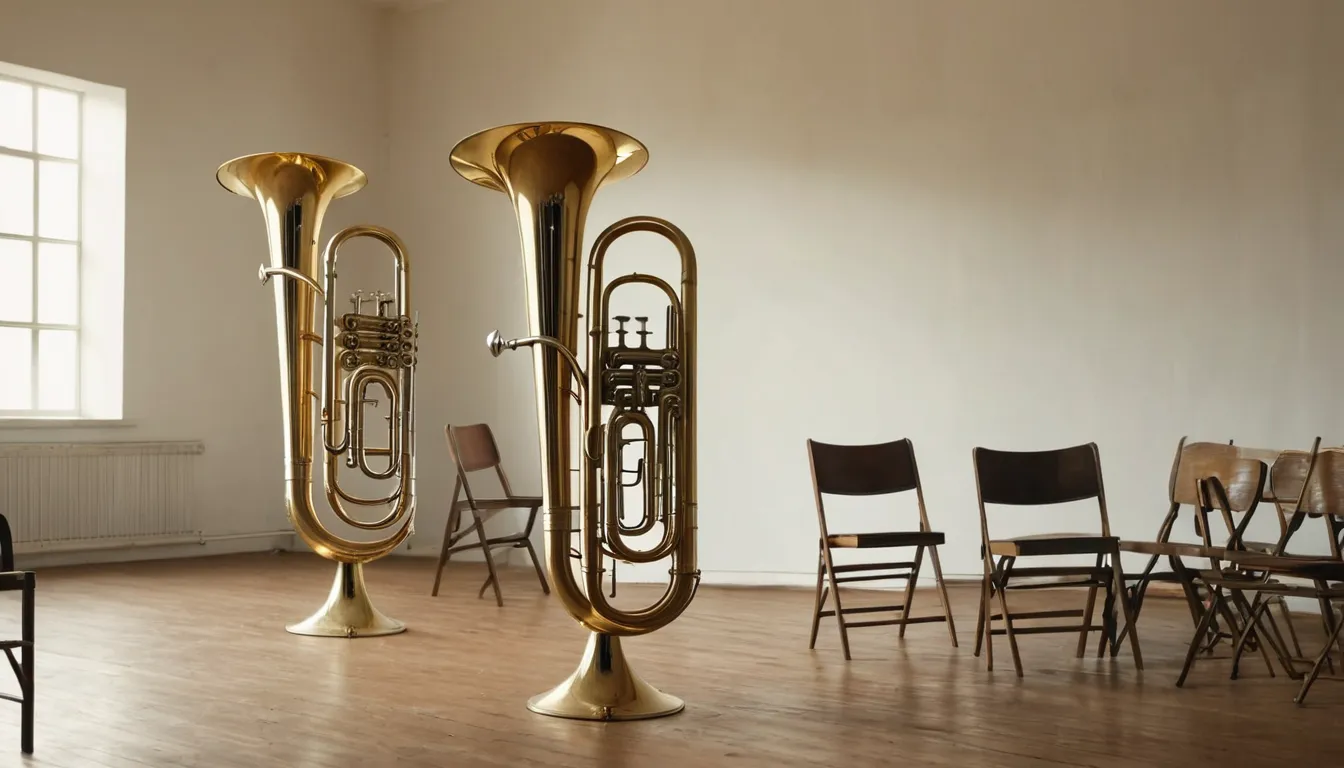
Why brass
Village and town bands across central Europe in the 1800s often used brass and wind instruments, partly because they were loud enough for outdoor dances and parades. Many players learned in military or civic bands. When people from these regions settled in the Americas, brass band music came with them, and it remains the core of several polka styles, especially Czech-American and many Polish-American bands.
Who plays what
| Instrument | Family | Usual job in a polka band |
|---|---|---|
| Tuba or sousaphone | Brass | The bass line: the "oom" on the main beats |
| Baritone horn or euphonium | Brass | Countermelodies and fill-ins in the middle range |
| Trombone | Brass | Harmony, offbeat chords and slides between notes |
| Trumpet or cornet | Brass | The melody, often in pairs playing in harmony |
| Clarinet | Woodwind | Melody and quick runs above the trumpets |
| Saxophone | Woodwind | Melody or harmony, common in some American styles |
| Drums | Percussion | Keeps the 2/4 pulse steady for dancers |
The sousaphone is a tuba shaped to wrap around the player's body, with the bell facing forward. It was designed for marching, and many bands that play outdoors or move around a dance floor prefer it.
How the oom-pah is shared
In a brass band, the oom-pah is split between instruments. The tuba plays the bass note on the main beat. Horns, trombones or a rhythm guitar or banjo play short chords on the offbeat. On top, trumpets and clarinets play the tune, often in two parts a third apart, which gives the bright, sweet harmony many people hear as typical polka. The rhythm guide shows this pattern beat by beat.
Mixed bands
Many bands combine brass with an accordion, a fiddle or both. In a small group, the accordion may take over the chords while a single trumpet or clarinet plays the tune and a tuba holds the bass. The mix depends on the tradition and on who is available to play.
Playing in a band as an adult
Many adults who played a brass or wind instrument in school return to it later. Community bands are a good way back in. Some play polkas and waltzes along with marches and concert music, and a few are dedicated to heritage dance music. To find one:
- Check your parks and recreation department's program guide for community bands.
- Ask at your library, which often keeps a list of local music groups.
- Ask local school music teachers, who often know about adult bands.
- See the finding groups guide for state and national directories.
Looking after brass and wind
Empty water from brass instruments through the water keys after playing, oil valves or slides as the maker recommends, and wash brass instruments now and then. Clarinet and saxophone players should swab the instrument after every session and keep reeds in a case. A repair technician can fix stuck valves, dents and leaking pads.
Brass bands are loud, especially in small halls. Players and dancers who are close to the band for long periods may want to use musicians' earplugs. If you notice ringing in your ears or muffled hearing after playing, ask a hearing professional for advice.